

In celebration of International Women’s Day on 8 March, we’re honouring the outstanding women within our membership. Discover their stories, celebrate their achievements, and be part of the conversation as we showcase the journeys of female leaders in UK inbound tourism – and recognise how we can better support and empower women in the workplace.
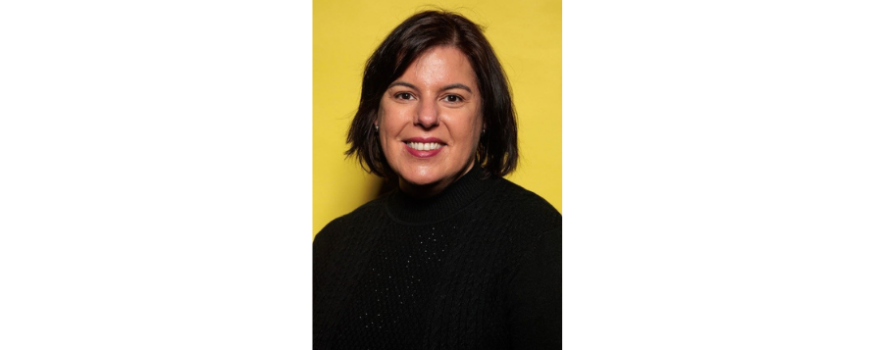
Mafalda Teixeira is the COO of AC Group. She has over seven years at AC Group and 20 years in hotel and tour operations, and her rich background in the travel industry is further complemented by her previous roles at The Doyle Collection with business owner Rob Russell and at Four Seasons, underscoring her comprehensive experience in the sector.
- What inspired you to enter the tourism industry?
My father worked abroad, and trips to the airport to drop him off or welcome him home were always special. I was struck by how elegant the flight attendants looked and by how exciting the idea of traveling felt.
My passion for travel and luxury hospitality led me to pursue a degree in Management in Tourism at University. Determined to aim high, I later moved to Switzerland to complete a postgraduate qualification in Hotel Management, with a clear goal: to become a Hotel General Manager.
I spent 10 years working in the hotel industry, where I gained hands-on experience in operations, service, and leadership. Over time, I started to wonder if it was the right long-term path for me. That reflection eventually led me to a new opportunity with AC Group, which started as a career change but became a turning point in my journey.
Nine years later, I’m still with AC, now serving as Chief Operations Officer. It’s been a journey of growth, learning to adapt, and staying open to unexpected opportunities. What started as a childhood fascination with airports eventually grew into a leadership role at a company I truly value.
2. What has been the highlight of your career so far?
My journey with AC Group has been one of the most defining chapters of my career. I joined nine years ago as a Reservations Manager, leading a team of five. Within a year, we had grown that department to 20 people. At the time I joined, the company had 30 employees. Just two years later, we had scaled to 95, a period of strong momentum.
Then COVID-19 hit. Like many others in the travel industry, we were faced with a crisis and had to make the very hard decision to let go of 80 team members. What really stayed with me during that time was the leadership and support shown by our CEO, Rob Russell.
When the world reopened and travel picked up again, we focused on rebuilding quickly and thoughtfully. Over the next two years, we grew back to a team of about 90 people. During that time, my own role kept evolving. Rob continued to push me out of my comfort zone, encouraging me to take on more responsibility and grow as a leader. Today, I’m proud to serve as Chief Operations Officer.
I feel incredibly fortunate to work alongside such talented and committed people. I am equally grateful to have a leader who actively advocates for women’s progression and believes in women in leadership roles. Looking back, what makes me most proud is not just the growth in numbers – but the growth in resilience, leadership, and purpose.
3. Have you faced any specific challenges as a woman working in inbound tourism, and how did you navigate them?
Although the tourism industry is known for diversity and multiculturalism, as a Portuguese woman working for an English company, I sometimes wondered whether I would reach a senior leadership position.
The reality is that many women face challenges not because of their ability, but because of the many roles they balance and the self-doubt that can sometimes hold them back. We manage professional and personal responsibilities at the same time, and can be harder on ourselves than we need to be.
Tourism is also a relationship-driven industry, which often means attending evening events, industry functions, and networking gatherings – spaces where not everyone feels comfortable travelling home alone. These are factors that are rarely talked about but can influence visibility and career progression.
Tourism is a female-dominated industry, and it’s encouraging to see more women continuing to step into leadership roles across the sector. Reports such as those from Equality in Tourism International highlight the importance of increasing representation at senior and board level, and the industry is making progress as more talented women advance into these positions.
Earlier in my career, I wondered whether being Portuguese and female might shape my professional journey. Rather than focusing on that uncertainty, I chose to focus on consistency, strong performance, and delivering results. Today, as Chief Operations Officer, I’m proud to represent the company at the highest operational level. I hope my journey encourages other women to trust their abilities, step forward with confidence, and take their place at the table.
- What changes would you like to see in the UK inbound sector to better support and empower women?
The UK tourism industry has a real opportunity to continue strengthening gender-inclusive policies and closing the gender pay gap. Women currently earn around 14.7% less than their male counterparts, highlighting the importance of maintaining focus on fairness and equality as the sector evolves.
According to the World Travel & Tourism Council (WTTC), women account for nearly 40% of total employment in tourism, and between 2010 and 2019 direct female employment in the sector grew by 24%, rising from 38.6 million to 47.8 million. These figures reflect the immense talent, capability and contribution women bring to the industry
We need transparent pay structures, safe and inclusive networking environments, and stronger representation of women in tourism policy and ministerial roles. That is why I am delighted to support “Breakfast For Her” – a women’s roundtable initiative I co-founded with Elena Ktori (Co-founder of Antella Recruitment).
The purpose of Breakfast For Her is simple but powerful: to create a space where women can surround themselves with others who understand what it takes to build a career, navigate challenges, and strive for leadership. During our recent session, we began with a key business topic, but the discussion naturally evolved into deeper conversations about confidence, visibility, ambition, and the realities women face while advancing in their careers.
- What’s an assumption people often make about your role or the inbound sector that you’d like to challenge?
Tourism is often thought of as a “fun” industry – full of travel, new experiences, and excitement. But beyond that perception, it’s a sector that demands real leadership, resilience, and long-term vision. Leading in tourism comes with its own unique challenges and responsibilities.
It is a high-turnover sector, heavily reliant on an international and migrant workforce. Many talented individuals come to the UK to gain experience, not necessarily to build a lifelong career. While this diversity enriches our industry, it also makes long-term team building more challenging. Recruiting the right people, with the right skills and the right commitment, is not always easy. Retention requires culture, opportunity, and strong leadership.
Additionally, in the UK, tourism is still not widely perceived as a long-term professional career path. Compared to finance, law, or technology, it is often undervalued – despite its contribution to the economy. This perception makes it harder to attract highly qualified, committed individuals who see the sector as a space for long-term growth.
Tourism is not just hospitality – it is operations, strategy, international trade, policy influence, digital transformation, and global economic impact. It deserves to be positioned and respected as such. Because building sustainable businesses requires building sustainable careers.
- What advice would you give to young women considering a career in inbound tourism or travel?
Tourism is a serious and dynamic career. It’s a global industry that drives economies and opens doors for innovation and leadership. Invest in your skills early – develop commercial awareness, digital capability, and an innovative mindset. Building relationships is key. This industry thrives on trust and partnerships, so attend events, ask questions, follow up, and nurture your network intentionally. Don’t let self-doubt limit your ambition.
Choose your environment wisely. Seek out leaders and organisations that genuinely support progression, flexibility, and inclusion – early in your career, culture matters more than titles. Tourism can be unpredictable, as we saw during COVID, but it is also an industry of recovery, creativity, and opportunity. Stay adaptable, focused, and ready to grow.
- The legacy I hope to leave in the UK tourism industry is…
I strongly believe that women do not have to choose between personal fulfilment and professional success. You can be a mother, a wife, a daughter – and still build an extraordinary career.
For too long, women have felt that ambition comes at a personal cost. I want to challenge that narrative. Leadership and family are not mutually exclusive. Strength at home and strength at work can coexist — and often, they reinforce one another.
My goal is for everyone, regardless of gender, to believe that success doesn’t mean sacrificing who you are. It means owning your identity, being yourself proudly, and approaching life with positivity and confidence.